
Dried trevally is a simple gift from the sea, yet its distinctive flavor makes it hard to forget for anyone who has ever tried it. The saltiness of the sea blends with the natural sweetness of the dried fish flesh to create a unique taste that no other dried seafood can match. Just a few crisp slices of dried trevally fried, or a bowl of sweet-sour tamarind-braised dried trevally, and your everyday meal suddenly becomes more appealing than ever.
The rustic flavor of dried trevally, regarded as a gift from the sea
Among hundreds of types of dried seafood, dried trevally still holds a special place in the hearts of Southern Vietnamese people. This is a small fish with white flesh and a subtle sweetness; when sun-dried it develops a light fragrant aroma. In many places it’s called “cá lù đù” (a rustic, affectionate name), evoking riverside markets, steaming hot bowls of rice and a dish of chili-fish-sauce.
Trevally are often caught naturally in the sea around Vũng Tàu or Cần Giờ. After being cleaned, the fish are salted just enough and then dried in sunlight until firm but not shriveled. When prepared, the dried trevally emits its characteristic fragrance; its salty-sweet flavour is rich, the flesh is tender and not fishy — that is the reason people fall in love with this type of dried fish.
Connoisseurs often pick fish whose body is a bright golden colour, slightly soft, non-sticky when held, and with a light fragrance. Like many other dried fish, trevally can be prepared in many ways: fried, grilled, braised, stewed, or used in salad — all are delicious. But what’s more special is using dried trevally in simple, rustic dishes full of home-flavour.
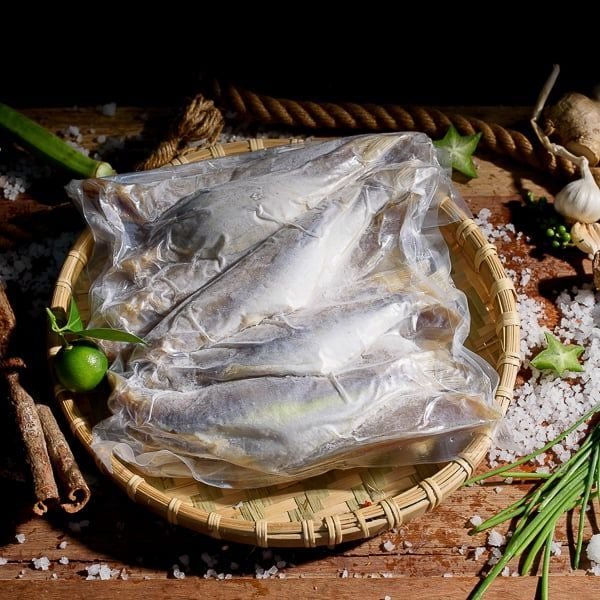
How to fry dried trevally until crisp — a simple yet unforgettable dish
One “classic” dish that anyone who has tried dried trevally must love is fried crispy dried trevally with garlic and chili. Although it requires only a few simple ingredients, the flavour it brings makes the rice meal complete.
After briefly rinsing the dried trevally in warm water to soften it and letting it drain, fry it until both sides are golden. When the fish turns a rich golden colour and gives off an enticing aroma, place it on a plate, sauté garlic, chili and a little sugar, fish sauce, then toss the fish in this mixture so it absorbs the flavour. The spicy heat alternates with the salty-sweet taste of the fish and makes everyone exclaim in delight.
A few tips:
-
Soak the fish in warm water with a little vinegar or lemon juice for about 5 minutes before frying — this helps the fish soften and reduce excess saltiness.
-
When frying, use medium heat, turn the fish evenly so that it becomes crispy without burning.
-
Serve with cucumber, fresh herbs, or a bowl of hot white rice — you’ll finish the entire rice pot before you know it.
Crispy fried dried trevally is also a favourite snack to accompany drinks. With a chilled beer and a few crisp slices of trevally dipped in chili-garlic fish sauce, the conversation will flow more cheerfully. That is exactly the rustic soul the trevally brings — simple, yet richly flavored.
Sweet-sour tamarind-braised dried trevally
You don’t need fancy ingredients — just a dish of tamarind-braised dried trevally is enough to make someone addicted. This dish is especially suited for cool days, served with hot white rice, nothing could be better.
Before cooking, soak the dried trevally in warm water for 5 minutes to soften it, then lightly fry it until fragrant. In another pan, prepare the sauce by mixing tamarind extract, sugar, good fish sauce, chopped chili, garlic sautéed in oil. Add the fish and braise on low heat until the sauce thickens and clings evenly to each piece of fish.
Sauce ratio:
-
2 tablespoons tamarind extract
-
1½ tablespoons sugar
-
1 tablespoon good fish sauce
-
1 small chopped chili
-
1 clove garlic chopped
Braise on low heat so the fish absorbs the seasoning; the tamarind water slowly evaporates so the fish flesh becomes richly flavored yet not hard. The result: pieces of fish with a glossy golden-brown hue, an aroma of sweet-sour, gentle heat, and irresistible taste.
Serving suggestions:
-
White rice, plain porridge or fried rice all go well.
-
It can also be served as a snack with drinks, wrapped in fresh herbs and rice vermicelli, dipped in tamarind fish sauce — very novel.
This tamarind-braised dried trevally is proof of the skill of people in the Mekong Delta: turning a humble dried fish into a fully-flavoured dish — salty yet gently sweet, spicy and appetising.
Grilled dried trevally, mango salad and plain porridge
Still the same dried trevally, but when prepared differently, we get entirely new experiences. Below are three important dishes you cannot miss in the list of coastal specialities — each dish a distinct style, each flavour a unique character, yet all infused with the flavour of the sea.
1. Grilled dried trevally
Nothing evokes the homeland more than the smell of fish grilled over glowing charcoal. Grilled dried trevally is a rustic dish, easy to make yet unforgettable. s off an overwhelming aroma. The fish flesh when torn apart is snowy white, tender and naturally sweet. Even just dipping it in a bowl of garlic-chili fish sauce or tamarind chili sauce is enough to make you like it. For those who want speed and convenience, an air fryer works too — set at 180 °C for 8–10 minutes is just right.
Tip from VOVE: Brush a thin layer of sesame oil or scallion-infused oil before grilling so the fish smells fragrant and doesn’t dry out.
2. Dried trevally mango salad
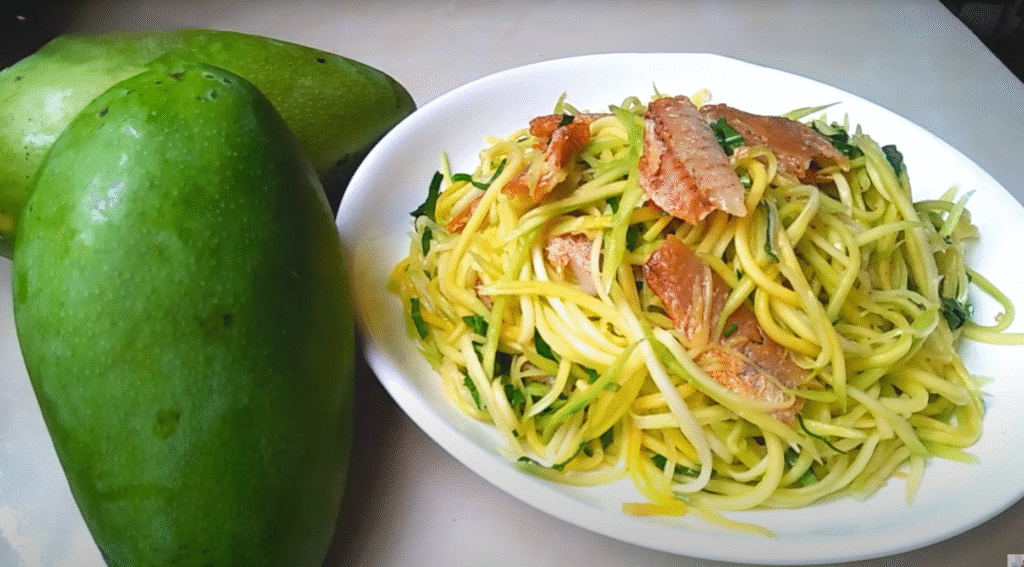
This mango salad with dried trevally brings fresh flavour, with sour-spicy-salty-sweet all in harmony. Start by shredding the dried trevally, lightly frying until fragrant. Shred green mango, mix with fresh herbs, fried shallots, roasted peanuts. Then drizzle over the sweet-sour garlic-chili fish sauce and toss everything well.
Dressing ratio:
-
3 tablespoons good fish sauce
-
2 tablespoons sugar
-
1½ tablespoons lemon (or lime) juice
-
1 tablespoon chopped chili
Serve immediately to maintain the crispiness of the mango and the intense flavour. The dish offers the sour freshness of mango, the salty-sweet flavour of dried trevally, plus the fragrant richness of roasted peanuts — together they create a perfect symphony for your palate.
3. Plain porridge with dried trevally
Plain porridge and dried trevally is a “traditional” combination in many Southern households. In the early morning, a steaming pot of porridge, a few slices of fried dried trevally, some pickled vegetable or salted egg on the side — just that, yet it’s heart-warming.
How to make:
-
Cook plain porridge to a light and easy-to-eat consistency.
-
Briefly rinse the dried trevally and fry it until golden crisp.
-
Serve with pickled vegetables or pickled onion bulbs to get the full taste of the Mekong Southern region.
The beauty of this dish is how the gentle flavour of porridge balances the saltiness of the fish, creating a wonderful harmony. For many who are far from home, just the aroma of fried dried trevally brings back childhood memories.

Tips for selecting and storing dried trevally
Not only preparation matters — selecting and storing dried trevally is also an art. Because the quality of the dried fish determines how good it tastes, how fragrant it is and how tender the meat remains.
To choose high-quality dried trevally, pay attention to:
-
Colour: Good trevally has a bright golden body, the flesh is dry but not hard, the skin intact.
-
Smell: It has a light sea-fish scent, not strongly fishy or with unpleasant odours.
-
Texture: When you hold it, it’s not sticky; the flesh is elastic and not crumbly.
-
Origin: Select fish caught in the Vũng Tàu sea region, known for naturally aromatic trevally dried under real sunlight.
Storage methods:
-
Wrap the dried fish tightly in vacuum-sealed bags, keep in a dry, airy place.
-
If storing for a long time, keep it in the refrigerator’s cool compartment or freezer.
-
When you take it out to cook, defrost it naturally so the sweet flavour is preserved.
Tip to reduce saltiness before cooking:
-
Soak in warm water with a little vinegar or lemon juice for about 5-10 minutes.
-
Rinse again in cold water and let drain, so the fish is both softened and less salty ― making it much more palatable.